



































Noticing the Signs
When someone is close to an individual that is struggling with gambling, they are likely to observe slight changes in that person’s financial situation, the amount of time that they devote to gambling and how emotionally stable that individual seems. It takes much longer for the individual struggling with gambling to realize that he/she is experiencing problems with gambling. There are many different ways that a person can display patterns of behaviors that indicate a problem exists with gambling. Some examples include: impacting his/her employment/education; negatively impacting his/her personal relationships; and negatively impacting his/her physical/mental health. Individuals can also suffer negative consequences as a result of engaging in gambling activities without meeting the DSM-5 criteria for being diagnosed as having a gambling disorder.
Are you frequently paying your bills after they are due? Are you constantly having to adjust your regular routine (work, family, etc.) because of your gambling activities? Do you find yourself having difficult conversations about money with family members? If so, what are some of the ways that you can have those conversations without getting upset?
This table will help you start observing the individual; however, this is not a checklist for determining if the individual may possibly have a diagnostic condition. You should continue to pay attention to how the individual was affected by events, rather than attempting to classify the individual with a certain label.
Changes in Money Habits
Financial difficulties can become more evident when a household has multiple people that rely upon only one income (BDT). Some of those indications to be aware of include:
- unexplained withdrawals or spending that disrupts the household budget
- repeated requests to borrow money without a clear repayment plan
- overdue rent, tuition, utility bills or other essential payments
- selling personal possessions to obtain cash
- reluctance to discuss statements, debts or shared expenses
There are many potential reasons for an individual to have a late payment or one single late payment. However, when you see a consistent history of being late on payments and each time you ask why, the reason is always different, then there is a much greater issue.
Changes in Time and Mood
An individual could spend nearly all of their waking hours (or even both) on their cell phone. They might miss family dinners due to being completely absorbed in their gaming. An individual’s social life may change based upon how much they play video games. When asked about their gaming behaviors, an individual can easily become upset or frustrated. An individual can also distance him/herself from friends and have severe emotional reactions after playing a video game. If an individual has stayed up late playing video games, they will likely struggle to socialize with others.
Starting the Conversation
The best time to have a discussion about money with your partner is when you both have a good relationship. If you are having an argument about money right now, then I suggest that you wait until the argument has cooled off a little before you bring up the subject. Share with your partner examples of times when money problems created emotional stress for you, and how those emotions affected your behavior. Ask each other open-ended questions, and allow each of you to take a few minutes to respond to the questions. Even though listening to each other does not mean that either of you agree with each other’s bad financial choices, it is probable that the first time you talk about money, the purpose will be to develop a place where you can both talk openly about money.
A useful sequence is:
- Choose a moment when both people can speak without interruption.
- Describe one or two concrete changes you have noticed.
- Explain how those changes affect household needs or your feelings.
- Ask what support the person would consider helpful.
- Agree on one small next action, if they are ready.
When a conversation turns into an argument, attempt to politely terminate the discussion and follow up on the subject matter at another point in time. Additionally, do not expect the opposing individual to respond immediately if he/she is not ready.
What to Say and What to Avoid
Your choice of words for your introduction can either elicit a reaction from the recipient or result in a defensive response. The following examples demonstrate how to begin a conversation, however, they do not provide a script that guarantees a response.
“I see the electric bill was paid late and I’m worried.” “Whenever there is a problem you worsen it.” “Would you like to look at our budget together?” “Please stop mishandling things.” “I want to know why things have gone downhill.” “Our friends seem to be doing better with money than you are.”
Try to avoid making charges, comparisons and/or threats when you first begin to discuss these topics. If you are discussing issues related to your children or regular expenses, try to clearly define the boundaries in a calm manner.
Supporting Without Enabling
There is a huge difference between being concerned about someone and saving them from a financial disaster. If someone has a history of paying off their gambling debts, or keeping a secret about being behind on their bills, it could take a long time before that person experiences the results of their actions. Additionally, the constant surveillance could break down trust and cause more problems. Support those who have suffered financially due to gambling; however, allow them to choose for themselves what amount of money they wish to use for gambling.
Useful boundaries include:
- decline requests for cash intended to cover gambling losses
- refuse to conceal debts from anyone whose shared finances are affected
- offer to attend an appointment or review a budget together
- agree on household expectations without monitoring every phone interaction
Be specific regarding what is permissible conduct prior to a crisis occurring, and adhere to the identical standard at each point during a crisis. Do not engage in negotiations with an employee concerning their wages during a crisis, and do not make empty threats.
Protecting the Household
Begin by establishing the most fundamental requirements of your household: food, shelter, utilities, school-related expenses, and health care costs. Once established, both of you can decide if it would be beneficial to establish a separate account for paying the bills (and other household expenses) in order to clearly delineate your personal spending from the funds needed to meet the above-referenced basic needs. In addition, you should discuss future financial obligations with each other and maintain a written record of all common expenses.
A household may first establish how much they typically pay in BDT per month prior to establishing the total amount of money that remains available for use as “discretionary income.” How much money is spent by each household will vary. If you have the ability to obtain the necessary funds to assist your dependents, and doing so would create a direct threat to you, then you ought to consult a financial or legal professional prior to altering any existing joint ownership agreements.
Tools the Player Can Use
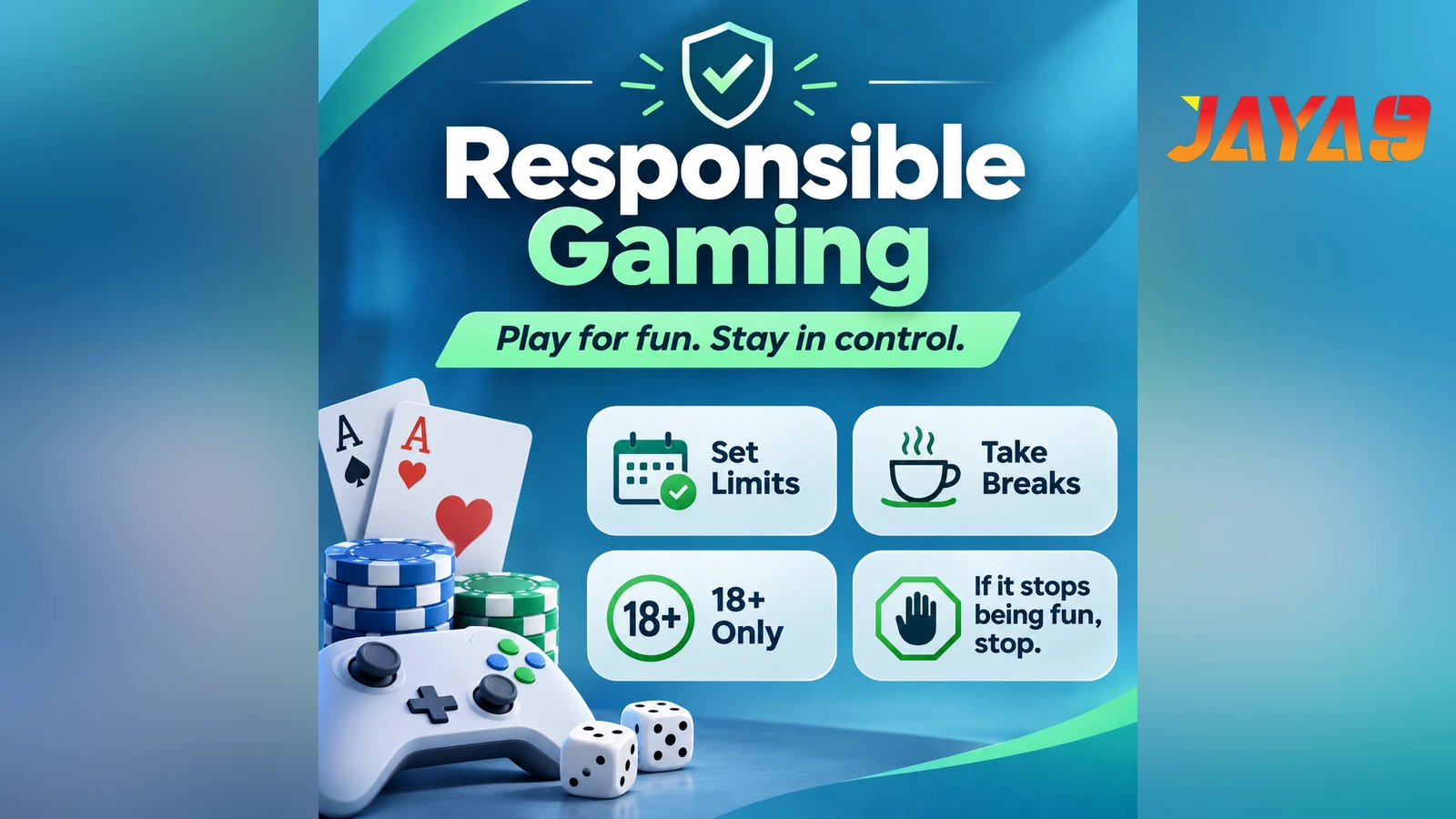
Individuals who wish to limit or cease their gambling habits can find several ways to accomplish this goal. Many different strategies can be utilized by individuals wishing to limit or stop their gambling activities. Examples of some of the various types of strategies used to help individuals limit or stop their gambling activities include creating distance between an individual’s desire to participate in a gambling activity and the actual participation in the gambling activity. Examples of some of the different types of strategies used to help individuals create distance between their desire to participate in a gambling activity and the actual participation in the gambling activity include: • Limiting the amount of money an individual can spend on gambling activities; • Limiting the amount of time an individual can spend on gambling activities; • Taking a break from gambling activities; and • Self-exclusion – this is a strategy where an individual chooses to prevent themselves from participating in gambling activities offered by a gambling establishment for a specific length of time, provided that the gambling establishment permits such self-exclusion. While it is difficult to determine if every strategy mentioned above will be implemented at Jaya9, they represent common approaches to address problems related to excessive gambling behavior.
Possible next steps are to:
- ask the provider which account restrictions, if any, are available
- remove gambling notifications and promotional messages
- consider a voluntary break from gambling-related websites or apps
- discuss specialist treatment or peer support if urges remain difficult to manage
Under the Bangladesh Gambling Prevention Act, 2026 (the law that prohibits online gambling and betting), no tool employed by online gambling/betting platforms may serve as evidence that the activities conducted through these platforms are legal within the borders of Bangladesh.
Taking Care of Yourself
Family members of individuals with gambling problems may experience increased levels of stress, shame, lack of sleep and financial concerns. This may happen whether or not the family member has a gambling issue himself/herself. Therefore, it is important to take notice of these impacts. Get help from someone you feel comfortable talking to. Consider seeking professional counseling or joining a support group. Continue to live life as normally as possible. While helping your family member, protect your own health and do not spend money that would normally go toward living expenses on non-essential items.
Discuss how things have changed with the introduction of children to the dynamic. Use language that is suitable for the children’s ages. Avoid allowing the children to act as a buffer or intermediary for adult arguments. In cases where the argument includes threats or violence, make sure all parties are safe prior to continuing the discussion about gambling as a family.
When Professional Help Is Needed
If you find yourself continuing to gamble after suffering a loss of some form (such as loss of money), missing bill payments on an ongoing basis, accumulating more debt, and/or being unable to control your behaviors regarding gambling then you need to seek assistance. Additionally, your family can seek help for their own needs. In Bangladesh, it is recommended that you speak to a doctor who you know and can rely upon for referrals to local organizations/resources that can meet your specific needs rather than searching the Internet for unverified resources.
If you learn about someone who wants to commit suicide, threatens to harm someone else, or you believe they are at immediate risk of harm, you need to consider this a potentially fatal situation and contact your local emergency services or an urgent care physician. There is no diagnosis required for you to receive assistance. Additionally, you may obtain information regarding how to protect yourself and your mental health without obtaining the permission of the individual in question.